Suzanne Cammerano is a freelance landscape designer with 15 years of varied experience in horticulture. She has been a professional gardener for Somerset County Parks Commission as well as private clients, a volunteer for a nonprofit community gardens program in Trenton, a designer?s assistant, and has worked in landscape sales/design/build for local nurseries. This blog takes a light and friendly approach to gardening, with a focus on helping local readers identify and find great plants and accessories, public gardens and garden events, and improve their landscapes with timely tips and hints.
Princeton Online House and Garden - Information on gardens and home topics, and a directory of Princeton area local services and companies.
| Displaying Results : 1 - 50 Total Results : 309 |
Sustainable Tips for House and Garden
April 02, 2026 By
Jane Hynes
|
|
This spring, try integrating native plants into your garden. New Jersey naturally fosters wildflowers which not only look beautiful but also provide food and shelter for pollinator species, such as bees and butterflies, which help our plants reproduce. Non-native plants require excess amounts of water, energy, and resources to survive outside of their natural environment. Similarly, invasive species can overpopulate the environment, draining resources and leading to native species harm. Here are some native, pollinator-friendly plants which may be a good addition to your garden this spring:
|
|
|
-
Wild pink (Silene caroliniana)
-
Foam flower (Tiarella cordifolia)
-
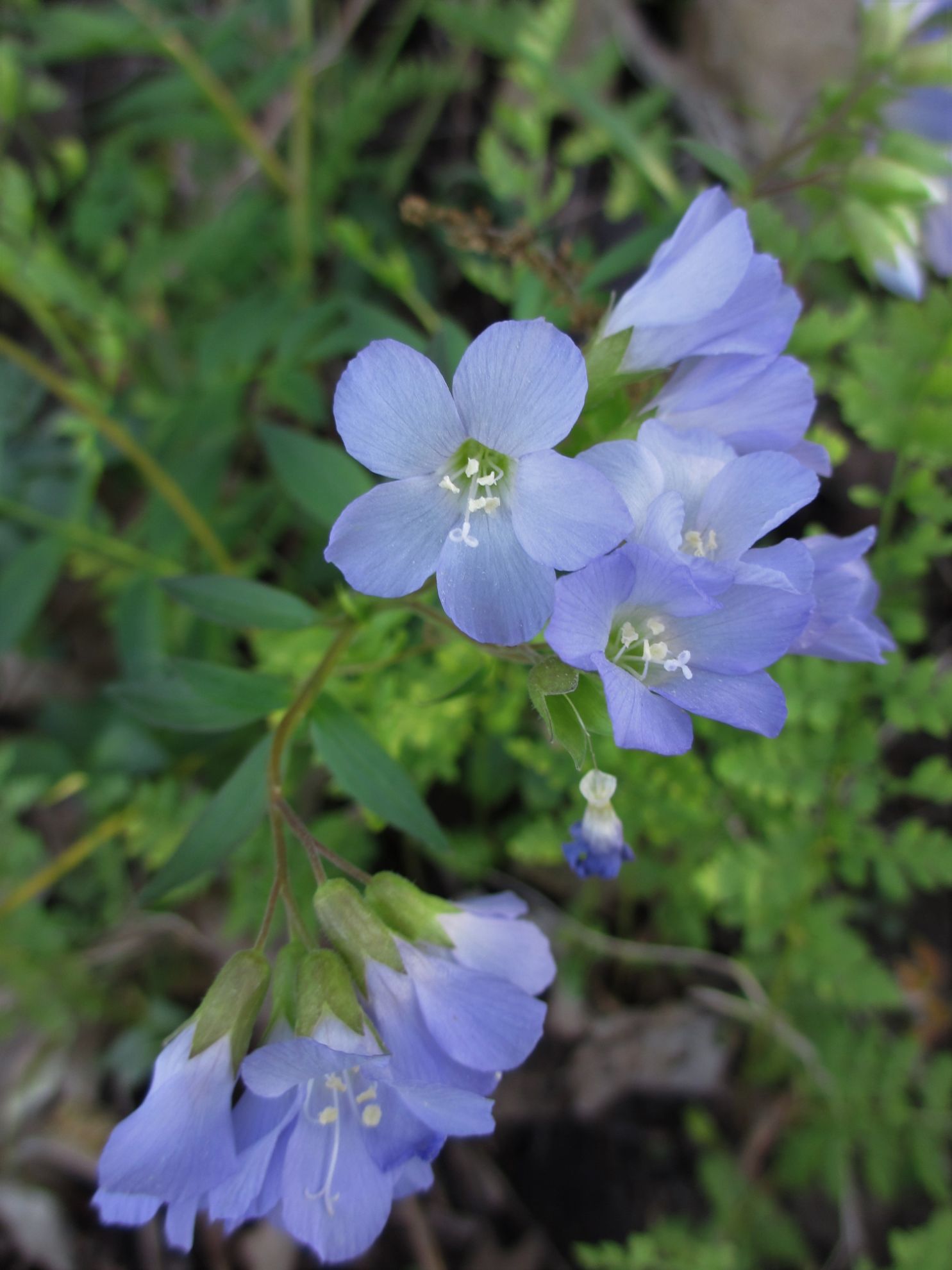
Jacob's ladder (Polemonium reptans)
-
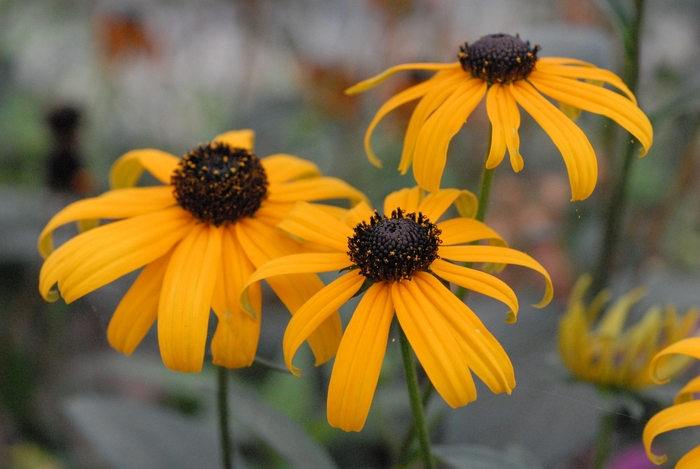
Orange coneflower (Rudbeckia fulgida)
-
Common blue violet (Viola sororia)
-
New England aster (Symphyotrichum novae-angliae)
|
|
|
|
|
Orange coneflower (Rudbeckia fulgida)
|
|
|
|
|
|
Jacob's ladder (Polemonium reptans)
|
|
|
|
|
|
|
|
|
|
|
|
|
|
|
Consider the following tips for greener landscaping and lower resource consumption:
-
Mulching: Mulch can help to absorb excess rainwater and deposit it slowly throughout your garden. The best way to go is a natural, dye-free mulch as opposed to red mulch, which can deposit chemicals and dyes into the environment. Be sure to do some research to decide which types of mulch are best for your unique garden.
-
Manual or electric tools: Many landscaping tools traditionally use combustion for power. Save money and the environment by opting for electric weedwhackers, lawnmowers, and power washers, and don't be afraid to go manual where you can!
-
Pest Control: Instead of using harmful pesticides to protect your plants, you can do less and get more by embracing companion planting and biodiversity. Interspersing herb growth in between your plants can naturally ward off flies, mosquitos, and aphids.
|
|
|
|
|
|
|
|
|
|
|
|
|
|
|
|
|
|
|
|
|
|
Eco-Friendly Spring Cleaning
|
|
|
Many of our everyday cleaning products contain ecologically harmful chemicals such as phosphates, ammonia, and nitrogen. These chemicals prevent the growth of native plants, block drainpipes, and can be damaging to humans. It's not possible to replace all of our cleaning products with natural alternatives, but we can try to make a dent. Here are some natural equivalents for chemical cleaning agents you can try this spring:
|
|
|
|
|
-
Replace bleach with 3% hydrogen peroxide to clean floors, bathrooms, and more.
-
Swap out your chemical air freshener with an essential oil diffuser.
|
|
|
|
|
|
|
|
|
|
|
|
|
|
|
|
|
|
|

| |
| Displaying Results : 1 - 50 Total Results : 309 |
| Displaying Results : 1 - 50 Total Results : 309 |
| |
| Displaying Results : 1 - 50 Total Results : 309 |